
Posts Tagged ‘puppies’
-
On the Road Again: How to Easily Road Trip with your Dog

Keep It Cool
Keep the cabin around 65-73 F inside the car, and when in doubt opt for the cooler range.
Places, People!
Like any well-executed plan, there is a practicing element involved. A 12-hour marathon road trip, ideally, should not be the first time your dog has ever ridden in the car. If you know your pup gets nervous being in the car, that is something you can totally work on and it shouldn’t put you off of taking a road trip all together – like anything else, it can require some training and time but doable.
See the Sights!
Lots of establishments, parks, and destinations allow (and encourage) pets! Always feel free to call ahead and check for any size or breed restrictions but part of the fun of road tripping is that people do this because they get to take their furry family members along. People along the way will be excited to meet your pup so get out there and make some friends!
Things to Pack:
-
A water bottle of cold, fresh drinking water
-
A collapsible dog bowl(s)
-
Dog or baby wipes – either will work (for dogs – not the other way around)
-
Paper towels in a pocket of the carrier in case of an accident
-
Any medications (it’s also best to give anti-anxiety meds before even getting to the car)
-
A folder for all required paperwork
-
Leash/harness/bags
-
Some dry kibble in case of tummy upset
-
A pillowcase or old t-shirt, unwashed, in their carrier so they are comforted while in the backseat
-
Food and Treats for the duration of the trip of course
-
High value treats are essential here to keep your pup’s attention. There will be many factors and new sights and smells competition for it so bring out the big guns (like chopped up steak or hot dog) to make sure they keep their eyes on you.
-
A dog bed with soft edges – easy to take into and out of the car and hotel rooms
-
A towel, sometimes it rains and a wet-dog smell while on the road is unpleasant for everyone
Sometimes, We Can’t Make Fetch Happen
If you know your dog gets nauseous in the car or is an anxious traveler – consider getting someone to house sit or find a reputable place to board them while you’re away.
Don’t be a hero and take the dog on the road trip when it will stress both of you out. A stressed pet (and/or pet owner) isn’t enjoyable for anyone. It’s okay to take a vacation and leave your pet in good hands for a few days.
There’s a First Time for Everything!
New things can be scary, especially to our pups. So, try your best to be patient and reward them when they mind their manners as you stop in new places. Take comfort in knowing you will get to your final destination and build in some buffer time for extra stops. These things get easier the more you do them!
-
-
Dog Breeds as Sweet Treats – What Kind Do You Have?

Find out what your breed of dog would be as a dessert and see a breakdown of all things delicious for your doggy!
- Rottweiler – Sea Salt Caramel
- Can look tough on the outside but are soft and so sweet inside.
- Labrador Retriever – Reeses Cup
- A cult classic.
- Yorkshire Terrier – Twizzlers
- The people that opt for them, really, really love them (and they fit in most handbags).
- Corgi – Taffy
- Bright and cheerful – an overall delight.
- Dachshund – Twix
- The cookie burrows beneath rows of caramel just like these pups do under heaps of blankets. A unique choice but never fails to deliver and put a smile on your face.
- German Shepherd – Snickers
- A solid and sturdy choice.
- Belgian Malinois – Sour Patch Kids
- They can be sour but they’re ultimately the sweetest thing around (as long as they work that big brain of theirs!).
- Goldendoodle – Caramel Popcorn
- They couldn’t be sweeter and they’re a blend of two things people love separately or together.
- Doberman – Dark Chocolate
- Reliable and intense, this dog breed resembles one of the best treats around.
- Greyhound – Cheese board
- This traditionally European after-dinner dessert resembles this quiet and regal breed. Somehow in a class all their own, and yet the most sophisticated of the bunch.
- Bulldog – Milk Duds
- There’s just a clear correlation here.
If you’re thinking “can dogs eat candy?” the answer is absolutely not. It can include artificial sweeteners that are toxic (like xanthan gum) or simply not be fit for their tummies. However, all jokes aside – food is a huge part of your dogs’ life. Whether you feed kibble, freeze-dried, raw, or otherwise, there are a variety of options to spice up their lives!
Dried or fresh fruits, vegetables, kiefer, yogurt, applesauce, and even things like eggshells can benefit your pooch’s diet and make dinnertime more interesting. Supplements for bone and joint health and oils for healthy skin, coats, and nails are handy, too.
Here are some handy toppers you can add to your furry best friend’s next dinner:
- Sweet Potato (cooked)
- Broccoli (cooked or raw)
- Carrots (cooked or raw)
- Bananas
- Berries
- Green Beans
- Peas
- Salmon Skin
- Smelt
- Sardines
- Applesauce
- An egg or egg shell (if you opt for adding in a shell, be sure to rinse and bake it for 2 hours at 250 degrees F, this breaks down the calcium making it easier to digest and kills any harmful bacteria that may coat the outside)
- Baby food (be sure to check the ingredient list for foods they can’t consume)
Many of these items do double-duty as things you can squish into lick matts for their enjoyment as well! New food and experiences that involve smell and taste really light up your pup’s world. It’s a huge way they get to interact with items around them as well as the outside world. You can use what you have already on-hand and if ever in doubt if it’s dog-safe just give it a Google or check out one of our other recipes! Happy snacking.
- Rottweiler – Sea Salt Caramel
-
Spring Essentials for your Dog

Okay, so essentials might be stretched on the list below (we think food, water, shelter, etc. are give-ins since you’re reading a pet store blog page). However, we’ll keep the bougie accessory list to a minimum. These are household items that do double-duty and come in handy when taking your dog on the hottest spring trails!
In Your Home (Basics)
Give these things a surprising second life by repurposing them for your pup!
1. Lint-Roller
Great for removing ticks easily after walks through wooded areas if you plan on doing any hiking this season. Make sure to consider flea and tick preventatives year-round, too! There are tons of options from chewables to collars – all to ensure your pup is a lot less likely to encounter lyme disease.
2. Egg Cartons
Cardboard egg cartons stuffed with treats and shredded paper are wonderful for shredding and scent work. This is a low-cost game for your dog that will keep them engaging and mentally stimulated indoors on a cold or rainy day.
3. An Old T-shirt
If you’re taking your dog on a car trip, putting an old unwashed t-shirt of yours with them in the backseat or crate can be extremely helpful in easing their anxiety – road trips especially are a lot of noise and mental stimulation for younger dogs.
4. Plastic Bottle
A plastic bottle with an old blanket wrapped around it and tied on each end is the perfect crunchy-sounding toy for a dog bored with his normal routine – bonus points if you put tennis balls on each end for extra bounce and entertainment!
Slightly Bougie Must-Haves
1. Ceramic Dog Bowls
Did you know you’re supposed to wash your dog’s food and water bowls daily? This helps rid them of harmful bacteria. While most people may not do this every day, there is no doubt steel and plastic are great alternatives but ceramic is likely to hold the least bacteria between washes.
2. Suntan lotion spray – yes dogs can get sunburnt!
Their hair and fur protect their skin in most places but on the tip of their snout where their hair is less dense, and the underside of their belly, they have exposed skin; remember to reapply if out and about for hours.
The Material Gworl Extra Bougie Packing List
1. Paw balm – gotta stay moisturized.
We like ones that use beeswax because they help out our bee friends! But any pet-grade snout or paw balm will do (they also come in lotions).
2. Dog Luggage
If you’ve ever experienced the pain of portioning your pup’s meals into what feels like a million little plastic baggies consider the more sustainable option of dog luggage. Some even have compartments for food, treats, toys, and can slide onto your own bag.
3. Backpack carrier – this one is only recommended for our small and small-medium sized furry friends.
A backpack can help the fun keep going when the puppies are pooped! If you are very active and know your pup can’t keep up, don’t leave them at home, just pop them into a chest or back harness and keep on hiking!
We hope you enjoyed this list of “must-haves” – keep checking back for more lists like this one!
-
Training Hacks for Stubborn Pups

Dress the Part
We encourage you to be one of those people who walks with a saddle bag of treats on their hip! No, we’re not kidding.
Dogs with little legs and big personalities are going viral on TikTok, Target launched matching puffer jackets for you and your dog. In short, the world is ablaze with the puppy love we are very well aware of. So, let your crazy dog parent out and be the best at-home trainer you can be!
If you walk your dog multiple times a day without incorporating training – you’re missing out on a serious two-birds-one-stone opportunity here. Plus, an engaged mind will make them use twice as much energy and is sure to knock them out for a nap when you get home.
Take Brain Breaks
Okay, we know we preach consistency and constant attention to training; BUT, there’s such a thing as too much. A dog’s attention span can stay locked-in anywhere from 10 to 30 seconds at a time. This doesn’t mean you need micro-styled training sessions; they can continue to refocus for up to an hour. It means that as the session continues, they are likely to respond more slowly and get distracted more easily. Combat this by taking breaks and rewarding your dog for a job well done by having playtime a little while after training.
Know Their Motivators
A treat bag will likely work with a toy-motivated dog but not in the same way it will for those who are food motivated. The main categories are food-motivated, praise-seekers, and toy-motivated. Test out different things and see what your dog responds best to.
Suggested Training Supplies
(Suitable for all dogs regardless of their motivator source)
- Six-foot leash
- Harness
- The motivator source that works for your pet
- *See our note about needing recall words – this isn’t just for the praise-motived pups, either!
- An area as free of distraction as you can get – a backyard, park at non-peak hours, or even a parking lot can work
- Water – training takes a lot out of them!
*Another training ‘supply’ is your arsenal of words used to recall your dog.
Dogs can learn up to 165 words or phrases on average with the brainiac breeds being able to learn up to 250! Interestingly, one that you might use every day “good boy” or “good girl” probably shouldn’t be your go to. When we attach multiple meanings to words, their understanding of it gets as fuzzy as their behind.
Words become commands that elicit different actions. Some get them to come inside at a leisurely pace from the yard, whereas some mean “get to my side immediately, there’s a problem”. If your pup is a family dog, let your kids pick out what some of your training words can be, “good job!” can be “bananas!” or something even sillier.
Training is a time to get the whole family involved and make it enjoyable for all. The more likely you are to do it, and the less painful it is to get done and the better-behaved pup you’ll have for it!
-
How to Acclimate Pandemic Puppies to a “Post-Pandemic” World

If you, like so many others, turned to pet adoption when the Pandemic began you likely find yourself with an almost two-year-old, toddler-like pup who could stand to be better adjusted in certain areas. For example, isolation in our homes means they weren’t exposed to as many noises or sights as they would have been during “normal” pre-pandemic times.
It is important to acknowledge there are plenty of dogs whose behavioral issues began well before the pandemic; as the result of abuse, neglect, abandonment, or other trauma – this is simply to say we should avoid attributing all “problem areas” from isolating at home when they could stem from various factors.
Main behavioral issues are cropping up and include but are not limited to:
- Pulling on walks
- Leash aggression
- Over stimulation
- Skittish behavior around children
- Anxiety/depression when left alone
As many adopted dog parents already know: undesirable actions (while frustrating) are not permanent. It unquestionably takes a good deal of patience and time but achievable results happen with consistent training.
So How Do We Help Our Dogs Adjust?
Foundations of healthy relationships between ourselves and our pets rely on love, effort, and respect. Loving that adorable face comes pretty easily. Putting in continual effort to training is a bit more difficult. However, a critical component to dogs’ success is consistency and routine. If even twenty minutes of training daily can be woven into your daily lives, you will be astonished at the progress they make in a short time.
The respect aspect is also easily understood – learning new skills and requiring mental and physical work from your dog takes a lot of energy from them. Accepting that there may be some failed training sessions or bad days mixed in with huge bounds in improvement will help you both get to where you want to be.
As our own routines are in flux, keeping theirs as steadfast as possible will help yield a harmonious home. The important part is that they get that release and time to explore, sniff, and play; and if you have a deadline to meet, their needs don’t change. Investing in a dog walker or day care a few times a week is also a worthwhile consideration – even if you still work from home.
A tired dog is a happy dog, and a happy (and therefore relaxed) dog yields a happy owner. Even though rigorous mental and physical exercise is a must for your pet, take the pressure off yourself to be the one who has to do it all!
Pandemic pups are wonderfully weird and will adjust along with the rest of us as the world begins to reopen. Dogs are extremely adaptable creatures (Google how they evolved to have eyebrows!) and their biggest joy is pleasing their owner/family.
The biggest takeaway is to stick with training and weave it into your routine as much as you can, carve out time for them to get the exercise they need, and don’t expect straightforward progress. They can always continue the learning process and it can be fun for both of you!
-
Traveling Light with Your Dog(s): Tips for Road Trips

General Travel Considerations
A stressed pet (and/or pet owner) isn’t enjoyable for anyone. If you have never traveled with your pup before – no worries, there is a first time for everything and this list will help weed out any nonessentials. If you know your dog gets nauseous in the car or is an anxious traveler – consider getting someone to house sit or find a reputable place to board them while you’re away.
Keep Cool
Did you know dogs can’t sweat? Weird, right? So, it can sometimes be difficult for them to regulate their body temperature when they get too warm. Temperatures between 65-73F inside the car/mode of transport are ideal.
Planning Ahead Can Make Your Life Easier
Nothing is worse than stopping at a hotel late and tired just to find out they don’t allow dogs (we’ve all been there – not judging). However, you can call a few weeks ahead or even when you’re a few hours away to see if the hotel you have in mind does indeed allow pets.
Depending on the hotel chain, these are also common:
- A fee may be required (anywhere from $50-$150)
- They may request to see vet records
- Some breeds could be excluded at the discretion of the establishment
Minimize the Drive-Thru Diet
It’s at your discretion where you stop and what you eat on the road – for your dog however, they should ideally stick to their normal meals and meal schedule as much as possible. Don’t be alarmed if they seem to brush off food during that first travel day, they are likely getting used to the sights and sounds of being in the car. A nugget or two every once in a while is totally fine and we’d be lying if we said we didn’t give in too. Just know it can be hard for their little systems to deal with the grease in fast food and it can also make them less likely to eat their dinner if they assume the next time you stop they’re getting a #3 with fries.
Places, People!
Like any well-executed plan, there is a practicing element involved. A 12-hour marathon road trip should not be the first time your dog has ever ridden in the car. To minimize their anxiety and create positive associations with vehicular travel, bring them along next time you do errands and reward them with tasty treats for good behavior. Bonus points if you have a bed in the car already so they get used to the layout of the seat with that addition.
If you know your pup gets nervous being in the car, that is something you can totally work on and it shouldn’t put you off of taking a road trip all together – like anything else, it can require some training and time but doable.
Things to Pack
- A water bottle of cold, fresh drinking water
- A collapsible dog bowl(s)
- Dog or baby wipes – either will work (for dogs – not the other way around)
- Paper towels in a pocket of the carrier in case of an accident
- Any medications (it’s also best to give anti-anxiety meds before even getting to the car)
- A folder for all required paperwork
- Leash/harness/bags
- Some dry kibble in case of tummy upset
- A pillowcase or old t-shirt, unwashed, in their carrier so they are comforted while on the plane. It’s a lot of mental stimulation to walk through the airport and all the sights and sounds can be overwhelming
- Food and Treats for the duration of the trip of course
- High value treats are essential here to keep your pup’s attention. There will be many factors and new sights and smells competing for it so bring out the big guns (like chopped up steak or hot dog) to make sure they keep their eyes on you.
- A dog bed with soft edges – easy to take into and out of the car and hotel rooms
- A towel, sometimes it rains and a wet-dog smell while on the road is unpleasant for everyone
Some Final Thoughts
Know you will get to your final destination, build in some buffer time for extra stops, and know that these things get easier the more you do them! New things can be scary, especially to our pups. So try your best to be patient and reward them when they mind their manners as you stop in new places.
The holidays can be a trying time in terms of travel but the togetherness is always worth it.
-
Fall and Winter Activities fit for the Whole Family

After a year of being snuggled on the couch with your dog, we know the separation anxiety is real – for both of you. Dogs are very adaptable creatures so don’t stress too much. Sometimes you just have to leave them at home while you go to work and take care of life’s other responsibilities. However, you may simply want to bring them along whenever you can and we get it! For a list of possible activities for you and your furry pal, look no further.
Just Beachy
Did you know some beaches that don’t allow dogs in peak season do allow them during off-season (aka October-February)? If your dog can hang at the beach, it’s a wonderland of smells, and sights regardless of the time of year; and if monitored the edge of the ocean can also be a great place for dogs to dip their paws and enjoy new sensory feelings on their feet.
Plus, you’re actually encouraged to dig at the beach– it’s like heaven on earth for pups! Cooler weather also helps minimize risk of overheating while playing in the sand, but remember to apply SPF balm on their nose (and exposed skin) because the sun still comes out in the winter!
Farms and Orchards
One awesome perk about outdoor activities on lots of land is that they are likely to allow dogs. Even after all the pumpkins are picked, a lot of the farms that host pumpkin patches and apple picking are still open and operational throughout the rest of the year. Be sure to check with your local farms before loading up your pup in the car but many will tell you to bring the whole fam!
Visit a Cider Mill
If you enjoy checking out breweries, cider mills are very similar! They often have plenty of non-alcoholic ciders, yummy snacks, and room for kids and pets to run around! Just make sure to call ahead and ask as always.
For Those Who DIY
If you’re planning to pick up some plants or DIY equipment, you might be headed to Home Depot or Lowes. This store is notorious for letting dogs walk around it’s seemingly endless concrete isles but have you ever thought about bringing your dog to the plant nursery there? Smelling all those flowers, bushes, and trees is like a doggie carnival.
Retail Therapy
Get it? Shopping can be a great way to de-stress and lots of stores you probably never even considered bringing your dog to actually wish you would! In addition to actual pet shops that would love you and your pal to peruse the aisles, Nordstrom, Pottery Barn, and the Apple Store are pet-friendly too!
A Chauffer’s Companion
Going to pick the kids up from school, running to grab a friend from the airport, stopping by the grocery store to load up a curb-side order into the car? With people traveling more that means more driving. You know what makes driving all around creation more fun? Having a furry little backseat driver. A great tip is also to bring along some training treats and any time they’re in a new environment, ask someone to toss a few treats in through the car window – your dog will associate the place with friendly people and will start adapting to be chill in the car.
It’s a great idea to take your dog places you’re already going. They will love it and the more you incorporate these places into their routine, they will become easy, low-energy activities that become a little more fun.
-
At-Home Dog Grooming Tips
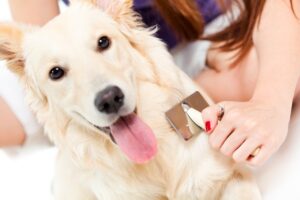
Grooming varies wildly based on the breed of dog you have. However, some practices are commonplace for all; like brushing their coat and making sure their nails are trimmed.
If you have your groomer in your favorites on your phone, don’t worry you’re not going to be coming for their job after reading our list but, you might be able to do more than muddle through until the next available appointment with the help of these tips.
Brushing
Did you think all dogs liked to be brushed before you tried to brush your own? Yeah, us too. Some dogs do love being pampered but for others it’s worse than finding a pill in a slice of cheese.
One huge way to help your dog get accustomed to being brushed is by steadily introducing them to the process.
Have your dog sit and present them with the brush, let them smell it and feel it out. Then, use any word you’d like (for example, “Brush”) and hold it in front of their face for a few seconds before brushing them a couple of times and handing them a treat immediately after.
Giving them a few seconds to walk away is giving them the choice of staying there to endure the brushing and getting a reward after, or opting out and saying “this is too much for me”, at which point you can leave it and pick it up later.
Practicing this basic level of autonomy is good because it prevents dogs from getting overwhelmed and being stressed or aggressive because of their discomfort. With some training over time, they may even be able to sit for the length of the whole brushing without needing a treat until the end.
During the spring and summer months also be sure to check for ticks when brushing your pets – tick combs are great options to get the job done easily and help give you peace of mind that your dog’s flea and tick preventatives are working as they should.
Nails
Trimming your dog’s nails could be considered an Olympic sport if you ask us. From running around, to couch-wrestling, just to get one millimeter off of one toe? So frustrating.
One of the biggest deterrents for dog parents to clipping their pup’s nails is because they worry they will hit the quick (the sensitive nail-bed dogs have) and stress their dog out and leave them with a cut.
A great trick for this is to actually hold your dog’s paw backwards, so it points behind them as if they’re taking a step, and from that angle, only cut the tip of the nail that is below the paw pad.
This will likely not get the nails as short as absolutely possible but will ensure you don’t hit the quick and it applies to clear and black nails.
Having a well-groomed dog is essential for their comfort. It’s also a sign of a well taken care of pet and makes for a happier one!
-
The Many Benefits of Pet Ownership

There are lots of preconceived ideas about pet ownership. Whether you grew up with pets or not, you might have opinions and concerns about what it might be like to get a new four-legged family member and you’re not alone!
We’re here to help you figure out what breed is right for you and go over some of the most common reservations so that you can feel confident in your decision.
Let’s Start with the Basics
A simple list of why owning a dog is the best.
- Companionship and comfort
- Encourages a daily routine
- A source of positivity
- Demands a certain amount of exercise
- Endless humor (I mean have you seen a Golden Retriever with its tongue lolling out? Come on.)
- Easily adaptable, dogs can adjust to moving homes or across states fairly easily
- Infectious energy
- Helps to fill out an aspect of life outside of work or family that isn’t easily replicated
- Long-standing commitment that fosters responsibility
- Boundless love
What Breed Is Best for You?
It’s imperative that you focus on the dog breed that aligns best with your lifestyle.
There are so many to choose from but it can be difficult to not be swayed by adorable little fuzzy faces, we get it. The daily routine each dog requires is a big part of what you’re signing up for and eventually the cuteness will not outweigh their needs. If you are extremely active, then couch-potato breeds like French Bulldogs are perhaps not the right choice.
Common Concerns
Shedding is a big concern for new potential pet parents. “What will it be like when my house is covered in dog hair?” Depending on the size and breed of dog you choose it could be much less of an issue than you think. Dogs with hair instead of fur only shed a fraction of the amount of their furry cousins. Even for the worst shedders, it goes through seasonal cycles and after a year or so of getting a routine down, you will have it mastered.
Behavior Issues are a potential worry, particularly for anyone who has had a less than friendly encounter with a dog before. Rest assured, there are lots of options for monitoring behavior and aggression in pets is usually easy to recognize and curb. There are options to adopt adult dogs whose temperaments are set and that will minimize any surprises along the way. You can also opt for a puppy of a notoriously friendly breed and take training classes so that you and your dog learn how to interact with other dogs of all backgrounds.
Budget While you should ideally have a budget in mind for your pet’s initial cost, typical monthly expenses include food, waste bags, and toys, with things like vet bills, grooming, and boarding coming up various times through the year depending on your dog’s breed and the amount that you travel. If you’re concerned with establishing a realistic budget, definitely do your research and keep in mind that the AKC says the cost of dog ownership is roughly $121/month.
Considerations
Our main suggestion is that any barrier you may think stands between you and your furry friend is more easily dealt with than it might feel with proper research and training. The only reason to avoid dog ownership is not wanting one! It’s always better to go with your gut and wait until absolutely sure before jumping into this exciting chapter. We hope that if you’re considering adopting a pet to do your research and feel empowered to. And know that looking up how to be the best pet parent you can be is a great place to start!
-
Farm to Dog Bowl: Everything You Need to Know about Raw Diets

If you are one of the many pet parents who’s thought about giving your pet a raw diet you probably started with the question, “what even IS a raw diet?”.
Assuming raw diets consist only of whole, uncooked meat cubes is a natural place to start. However, raw diets actually have a lot of nuance to them.
Before embarking on the path to raw diet-ville, check out the information and options we’ve put together to help you get your pup (and your wallet) the ideal meal plan for them.
Defining What IS a Raw Diet
According to the American Kennel Club, raw dog food doesn’t have to be from butcher to bowl and can actually be homemade, freeze-dried or dehydrated and it doesn’t even have to just be meat.
Raw diets include additions of various produce and dairy as well as cartilage, muscle, and bone from other sources of meat.
Benefits and Risks
While the diet itself can be executed safely for your pet and has potential benefits like increased and/or more regulated energy levels, decreased joint pain or a shinier coat; the main health concern is that unregulated raw diets (aka ones concocted at home) can release bacteria that is potentially unsafe for both humans and animals.
Bacteria sounds like a scary reason to avoid raw diets, however, it’s a known fact that raw meat requires attention and lots of hand-washing so don’t let this turn you away if you’re set on exploring this path for your furry family member.
Where to Begin
Ah, options. We love to see them! If raw sounds good to you but the price point or potential poultry pathogens freak you out – not to worry.
Freeze-Dried ($-$$)
Low mess, easy storage, and the most cost effective.
Freeze-dried options are worth looking into. The coolest part about freeze-dried food is that it’s made up of the same things as raw-meat diets (bone, cartilage, skin, etc.) but has a much longer shelf life.
Plus, you have the option of re-hydrating this type of food and adding it into your dog’s breakfast or dinner for all the meaty goodness in no time.
Fresh and Pre-packaged ($$$)
If you want fresher than freeze-dried there’s options for that, too.
Fresh, pre-packaged dog food is a bit more costly but just as convenient as freeze-dried or kibble.
Many fresh dog food brands combine meat, veggies, and grains and portion them into packets that you store in the fridge.
For the brands listed here you fill out the online form describing your dog’s age, breed, and other details and the team there recommends a recipe just for them. You can also buy them online and are given the option to auto-ship so that you never forget to pick up food for your pup ever again.
Full Raw Diet ($-$$$$)
The tricky part about raw diets are the amount of options involved. It can feel overwhelming and awkward to go into the grocery store and ask for feet or heads of animals no matter how much you love your dog.
One of the best ways to start the raw diet journey is to call local farms in your area and see what they have to say about their discarded animal products (heads, wings, you get it). A huge benefit of a raw diet is how eco-friendly it is and by taking some would-be-wasted animal products from a farm both your community and puppies benefit.
Other raw foods can be found at grocery stores, farmer’s markets, and pet stores.
Some raw foods are:
- Coconut Oil (bonus points if you put it in a cute silicone mold)
- Dog-safe Veggies (like peas, spinach, carrots, and green beans)
- Pumpkin Puree
- Eggs (shells included)
- Fish tails
- Heads, tongue, hearts, brain, liver, and more of lamb, rabbit, beef, chicken, turkey, and pork
For a comprehensive vet-reviewed raw diet plan, check out this article. Note: Consult your vet before beginning a raw diet. This 5-day diet was created by Madi, host of @rawfedmax Instagram account. We’re obsessed with Max’s feed (both digital and actual).
The Nuance
Did you see some ingredients on the raw food list that seemed more approachable? We’re here to tell you it’s okay to mix and match.
If kibble is the most cost-effective for you – there’s no shame in your game! High quality kibble doesn’t mean a slighted diet. You can truly pick and choose elements that work for you.
Lean Greens and Fatty Oils
If you can incorporate greens like peas and a good source of healthy fat like salmon oil or coconut oil into your dog’s diet along with kibble that’s great too.
Raw Meat as a Treat
Adding raw-ish treats are also a great call. Any jerky-like treats for dogs allow them to get the taste of real meat in a roommate-approved mess-free way.
Considerations
Definitely consult your vet on his or her opinion of raw diets before starting this journey. They will also be able to advise you on the best way to transition your dog from its normal current diet.
Raw diets have vast potential benefits but they’re not for everyone or every dog. There is a possibility a picky eater won’t take to any changes in diet quickly or if you a have one-gulp-dinner-eater that the bones in raw diets could be an additional risk.
Slowly incorporating what elements of raw-diets that work for you is a sure-fire way to keep mealtime interesting and nutritional without adding too much to your metaphorical plate.
With the quantity of accessible options and your own ability to add or remove elements, you’re sure to figure out what works best for your family – and we hope you have fun doing it!

